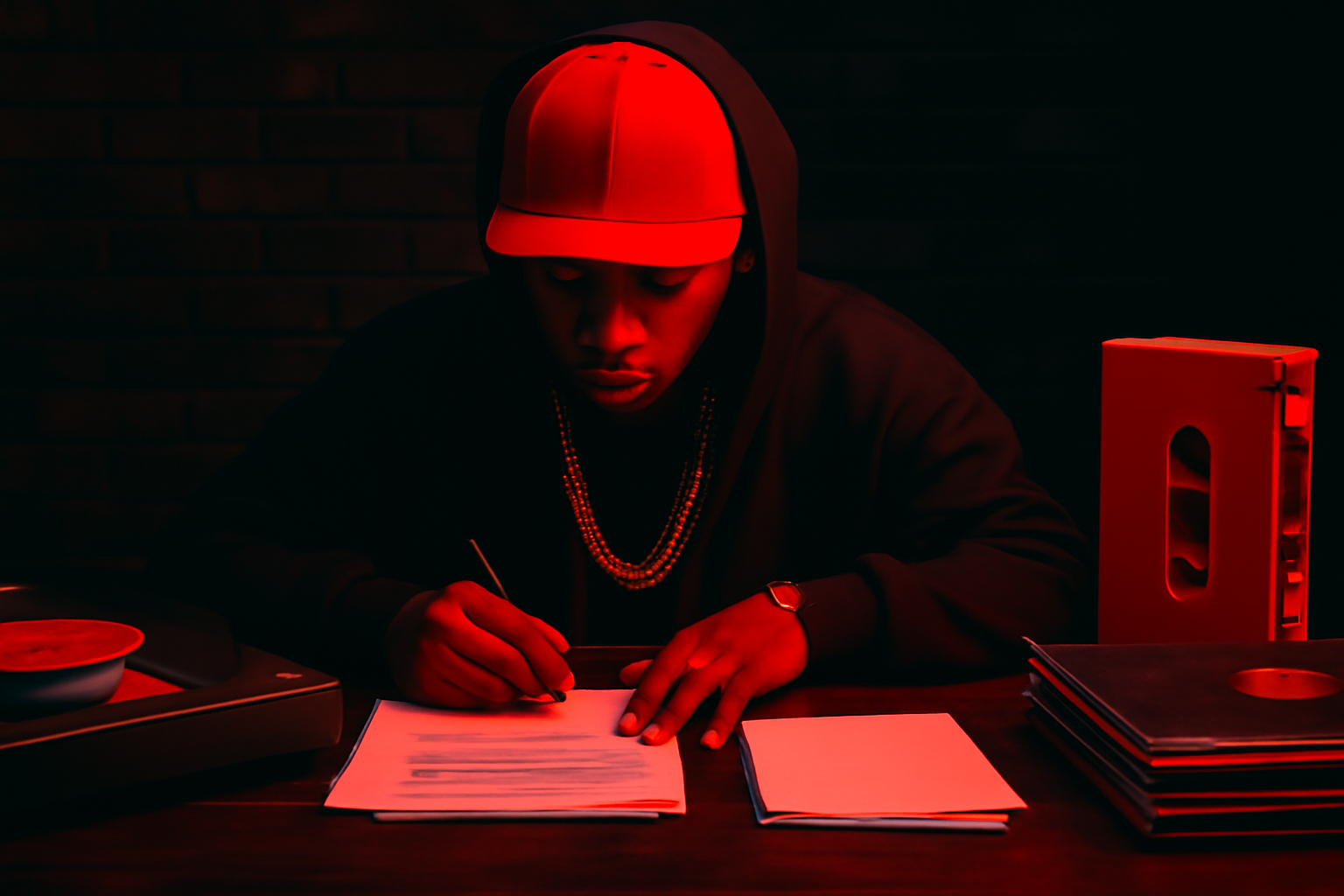
The world of hip-hop never stays the same for too long, and 2026 is turning out to be a seminal year for the culture and business of the genre. Recently, we've witnessed seismic shifts in the music industry’s foundation, specifically regarding where power resides: in the hands of dynamic indie labels or still within the strong grip of the classic majors?
In recent months, significant deals have reminded us of hip-hop's evergreen adaptability. Beginning with the buzz surrounding the partnership between Tidal Wave Records and Universal Music Group. Both entities announced a groundbreaking co-venture aimed at amplifying artists' voices without stifling creative freedom. This deal, lauded across the music charts, is set to redefine how mainstream platforms interact with their roster, focusing on shared ownership and fair revenue splits—a stark contrast to the old-school superstar deals.
Parallel to this, indie labels are rewriting the rulebook. Take Block Party Records, an unsung hero among indie powerhouses. They’ve spearheaded a collaboration with streaming giant Beatwave, granting their roster 75% revenue share from digital streams, upending the industry standard and serving as a pioneer model for artist-first contracts. Such developments are reflective of a broader trend where artists prefer to bypass traditional major label bottlenecks, in favor of the independence and more favorable terms that smaller labels offer.
Of course, the cultural ecosystem is not solely financial. The creative reins are undeniably more artist-centric than ever before. Several artists are inclining towards self-managed digital releases that maximize their control and profits. With technology playing a central role, artists are more empowered to dictate their unique creative processes, directly engaging with fans via social media and music streaming platforms.
Moreover, co-label deals where artists co-own their master recordings are increasingly becoming the norm. This shift is credited largely to artist activism, powered by veteran artists like Kendrick Lamar and Chance the Rapper, who have championed the cause of retaining artist rights while delivering chart-dominating music directly tied to their visions.
Cognizant of these shifts, aspiring artists should take a page from this evolving playbook. Understanding contract law, building a direct fanbase, and leveraging tech-savvy strategies are essential steps to succeed in today’s music landscape.
For our devoted followers of In Da Streets Radio, we aren’t just offering hot tracks and groundbreaking updates; we're extending an invitation to real industry insights. By joining our membership program, you’re not just staying ahead of the curve—you’re setting it. As a member, you’ll receive exclusive content on navigating the new music industry, from building your brand to mastering the business side.
As the hip-hop landscape continues to shift and reshape, remember: knowledge is power, and we’re here to equip you with all you need to step into the game and take it over. So, are you ready to move with us? Join In Da Streets Radio today and be part of tomorrow’s hip-hop revolution.